The Allure of Gambling: Understanding the Attraction
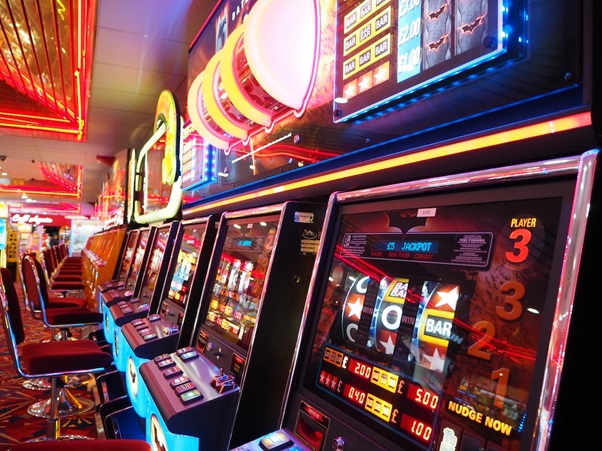
The allure of gambling in casino environments is rooted in a complex interplay of psychology and social dynamics. Many individuals are drawn to the thrill of potential reward, as the prospect of winning large sums of money provides a unique stimulation. This excitement is often amplified by the sensory experiences of the casino, including vibrant lights, high-energy sounds, and engaging environments that reinforce the pleasure associated with gambling, especially with the latest features like the mega888 new version that enhance gameplay. Such factors create an atmosphere where players feel a rush, often overriding their rational thought processes.

Additionally, the psychology of risk-taking plays a significant role in the allure of casino games. Many gamblers find excitement in the unpredictable nature of games, where a single bet could lead to significant financial gain or loss. This uncertainty triggers a biological response, releasing dopamine in the brain. This chemical is linked to feelings of pleasure, reinforcing the desire to continue gambling, as winners often report feeling a heightened sense of euphoria, further drawing them back into the game.
Social influences contribute significantly to the attractiveness of gambling as well. Casinos are often designed to foster social interaction, creating spaces where players can engage with one another. This communal atmosphere can amplify the excitement of the gambling experience, as individuals share in the highs of winning and the lows of losing together. Human beings are inherently social creatures, and the shared experience of gaming can enhance the overall enjoyment, leading individuals to return repeatedly, perpetuating the cycle of attraction.
Behavioral Economics: Decision-Making in Gambling
Behavioral economics provides valuable insights into how individuals make decisions while gambling. Cognitive biases and heuristics heavily influence players’ choices, often leading to irrational betting behavior. For example, the “gambler’s fallacy” leads individuals to believe that past results affect future outcomes, which can skew their judgment and lead to increased betting activity. This fallacy is particularly prevalent in games like roulette, where players may think that after a series of reds, blacks must be due, despite each spin being an independent event.
Moreover, the concept of “loss aversion” plays a crucial role in gambling behavior. Research suggests that losses tend to have a more significant psychological impact than equivalent gains. This phenomenon can drive players to chase losses, leading to increased gambling as they attempt to recover their previous investments. The fear of missing out on potential wins often compels gamblers to make riskier bets, further complicating their decision-making processes and creating an environment ripe for addiction.
Additionally, the framing of gambling options can influence decision-making. For instance, how a game or bet is presented can sway an individual’s willingness to participate. Casinos often employ strategically designed promotions and signage that emphasize potential winnings rather than losses, subtly encouraging players to make riskier decisions. This manipulation of perception can exploit cognitive biases, making gambling more enticing and leading players to overlook the statistical realities of the games they are playing.
The Role of Emotion in Gambling Experiences
Emotional responses significantly influence how individuals engage with casino games. The thrill of the game often induces a heightened emotional state, which can cloud judgment and encourage more aggressive betting behavior. Winning invokes feelings of joy and excitement, while losing can lead to frustration or dejection. This emotional rollercoaster can create a compelling reason to continue playing, as players become accustomed to the ups and downs of gambling, often leading to compulsive behaviors.
The excitement often associated with casino games also taps into deeper psychological needs. For many, gambling provides an escape from daily stressors and a temporary reprieve from reality. This desire to escape can motivate individuals to engage in gambling as a coping mechanism, where the thrill of the game becomes a form of emotional regulation. As such, the casino experience becomes intertwined with their emotional well-being, reinforcing habits that may lead to addiction.
Another psychological aspect is the phenomenon of “near misses.” In many casino games, players will experience outcomes that are close to a win. This can lead to feelings of excitement and the belief that a win is imminent, even when statistically unlikely. Near misses can reinforce continued play by creating a false sense of control, suggesting that success is just around the corner. This psychological tactic keeps players invested in the game, often leading to extended playtime and increased betting amounts.
Addiction and the Impact of Gambling Disorders
The thrill and excitement of casino games can lead to addiction, known as gambling disorder, which affects a significant portion of the population. This condition is characterized by an inability to stop gambling despite negative consequences. Many individuals may not realize they are developing an addiction until they find their personal and financial lives significantly compromised. The psychological mechanisms behind gambling addiction include impaired impulse control, cravings, and heightened sensitivity to rewards, making it exceedingly difficult for individuals to break free from the cycle.
Cognitive behavioral therapy has become a crucial tool in addressing gambling addictions. This approach helps individuals understand the thought patterns that lead to problematic gambling behavior. By recognizing cognitive distortions and learning to challenge them, individuals can develop healthier coping strategies. Therapeutic interventions are essential for fostering a supportive environment, allowing individuals to confront their gambling behavior and promote recovery.
Moreover, awareness and education about the risks of gambling addiction play a pivotal role in prevention efforts. Many casinos have implemented responsible gambling programs that promote awareness among players and provide resources for those struggling with addiction. These initiatives aim to create a safer gambling environment, encouraging individuals to be mindful of their gambling habits and seek support if needed. Understanding the psychological implications of gambling can empower players to make safer choices and reduce the risk of developing an addiction.
Discovering More Insights on Gambling Psychology
If you’re interested in delving deeper into the psychology behind casino games, there are numerous resources available to enhance your understanding. Various websites and organizations focus on responsible gambling and offer educational material on the psychological aspects of gaming. These platforms often provide insights into gambling behavior, tools for self-assessment, and support networks for those affected by gambling addiction.
Moreover, reading books and articles by experts in psychology and behavioral economics can provide a more comprehensive understanding of the factors at play in casino gaming. Engaging with research studies can also shed light on the complexities of gambling behavior and offer strategies for making informed decisions while playing. Embracing knowledge about the psychological elements of gambling can empower individuals to enjoy casino games responsibly.
In conclusion, understanding the psychology behind casino games can foster a healthier relationship with gambling. By recognizing the emotional triggers, decision-making processes, and potential for addiction, individuals can approach gaming with greater mindfulness. Responsible gambling practices are crucial for ensuring that the enjoyment of casino experiences does not come at the cost of personal well-being. Engaging with educational resources is a valuable step toward cultivating a safer gambling experience for everyone.